
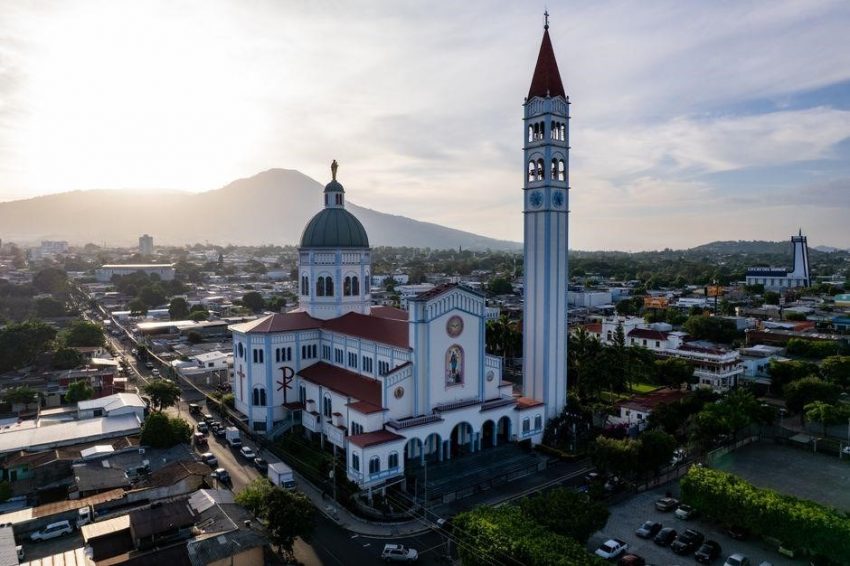
Overview of El Salvador
El Salvador, a compact Central American nation, blends colonial charm, volcanic landscapes, and vibrant culture. Its capital, San Salvador, offers historic plazas, museums, and lively markets. Travelers enjoy lush coffee farms, surfing beaches, and warm, welcoming locals. Explore churches and festivals.
Best Time to Visit
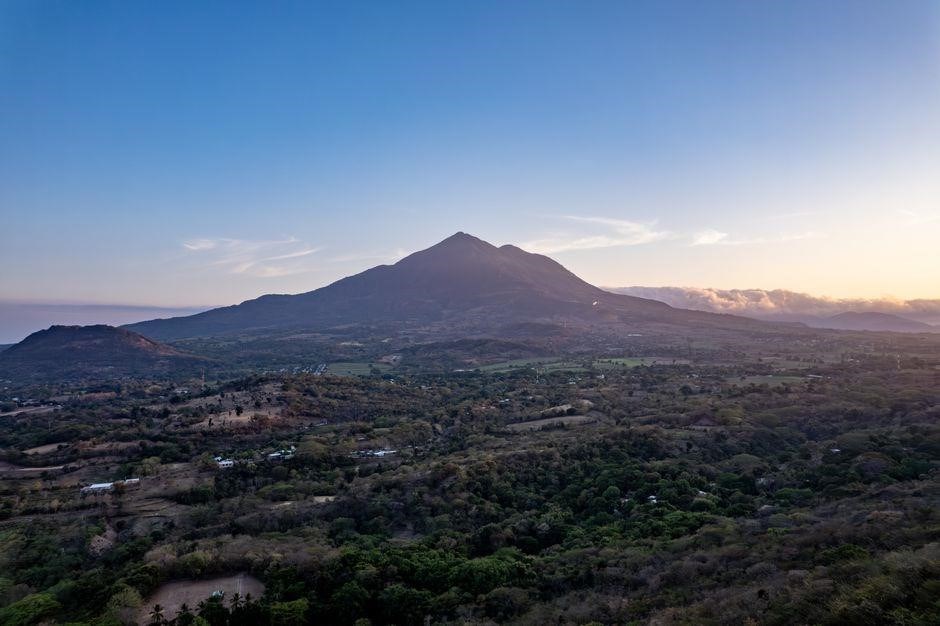
El Salvador’s climate is tropical, with a dry season from mid‑December to mid‑April and a wet season from May through November. The dry months offer sunny skies, lower humidity, and ideal conditions for exploring volcanoes, hiking, and beach activities. From late November to early December, the country experiences a “golden” period of lower rainfall and pleasant temperatures, making it perfect for cultural tours and outdoor adventures. The wet season brings lush greenery and abundant waterfalls, but occasional afternoon showers can interrupt plans. Travelers seeking the best balance between weather and crowd levels should aim for the shoulder months of March, April, or October, when temperatures range from 70°F to 80°F (21°C to 27°C), rainfall is moderate, and tourist traffic remains manageable. For budget‑conscious visitors, the low‑season months of July and August offer cheaper accommodation and fewer crowds, though the rain may be heavier. Regardless of the time of year, the country’s volcanic landscapes remain accessible, and the lively festivals—such as the vibrant “Festival de la Flor” in May—provide unique cultural experiences throughout the year.
Additionally, the high‑altitude regions such as the Sierra de Los Ángeles offer cooler temperatures, making them attractive during the hotter months. The coastal areas, especially the Pacific side, enjoy warm ocean breezes that are most pleasant during the dry season. Travelers interested in surfing can catch consistent waves from December through April. Conversely, the rainy season can bring occasional volcanic activity, so staying informed via local advisories is wise. Planning your itinerary around these climatic windows ensures a comfortable and memorable visit to El Salvador.
Finally, consider the cultural calendar: the Holy Week (Semana Santa) in late March or early April is a major event, featuring processions and traditional music, while the Christmas season in December brings festive markets and local crafts. These events add color to any trip, regardless of the season. By aligning your travel dates with both favorable weather and local celebrations, you can experience El Salvador’s rich heritage and natural beauty at its best.
Getting Around the Country
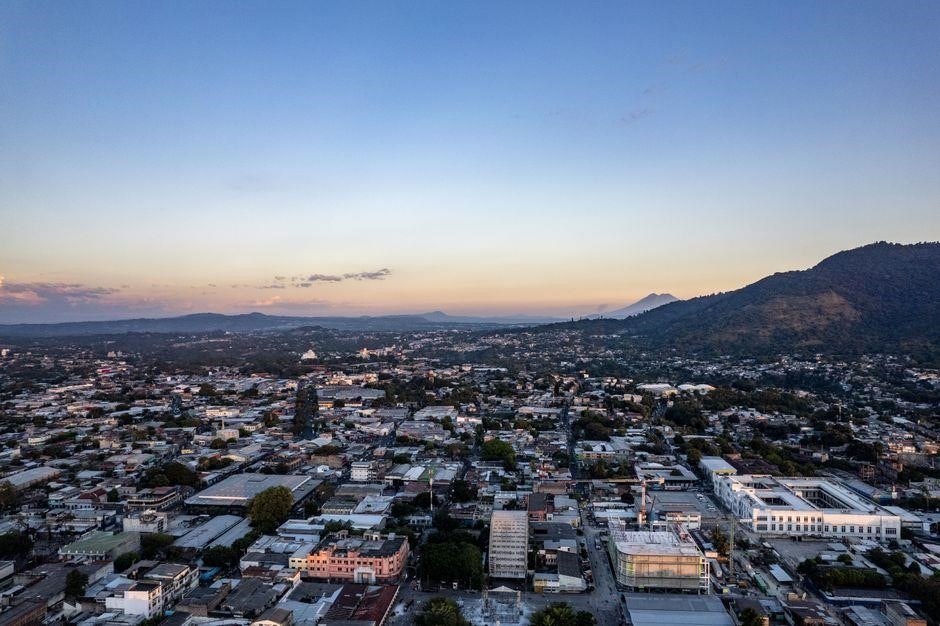
El Salvador’s compact size makes traveling between cities and attractions relatively straightforward. The most common way to move around is by bus, with a network of local and intercity lines that cover major towns and tourist spots. Local buses, known as “marques,” run frequently and are inexpensive, while intercity services such as “Colectivos” offer a more comfortable ride with air conditioning and luggage space. Buses depart from central hubs like the Terminal de Transporte in San Salvador, and tickets can be purchased at kiosks or directly from drivers; fares typically range from $0.50 to $3.00 depending on distance. Taxis are plentiful in urban areas; hailing one on the street or using ride‑hailing apps like Uber and Cabify is convenient for short trips or airport transfers. For those who prefer flexibility, renting a car is a popular option. Major rental agencies operate in San Salvador and at the airport, and the roads are generally in good condition, though drivers should be cautious of sudden turns and local driving habits. Biking is an eco‑friendly choice in cities with dedicated lanes, and several tour operators provide guided bike tours of historic districts. Finally, for adventurous travelers, the “Ruta de los Volcanes” offers a scenic drive through volcanic landscapes, but be sure to check road conditions and weather forecasts before setting out. By combining these modes, visitors can efficiently explore the country’s diverse regions.
Carry a printed itinerary SIM for navigation, keep valuables secured!!!
Top Cultural Attractions
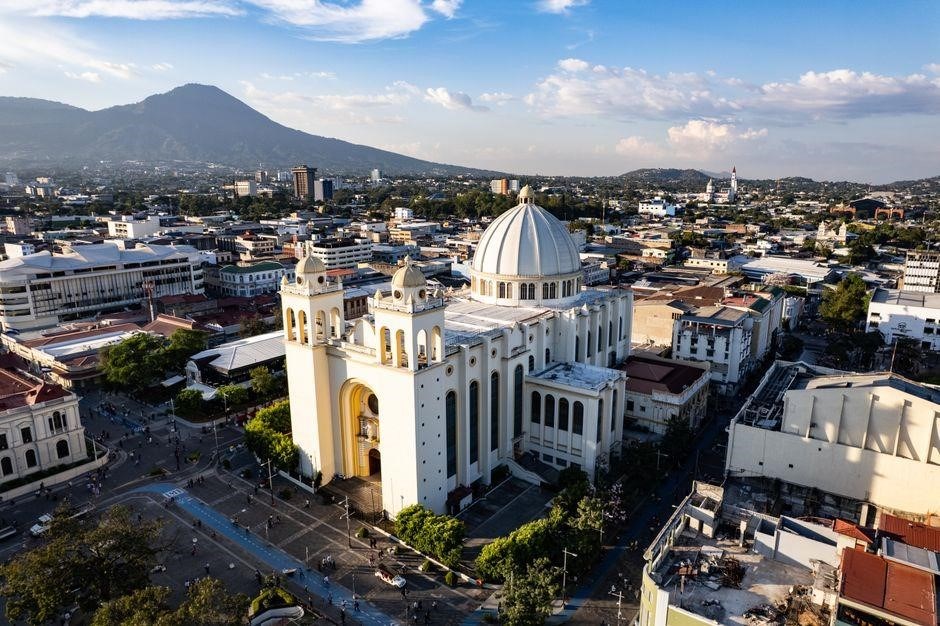
El Salvador’s cultural tapestry blends pre‑colonial Maya heritage, Spanish colonial architecture, and a resilient post‑war identity. The historic center of San Salvador is a living museum: the 16th‑century Cathedral of San Juan de America dominates the Plaza de La Patria, while the National Palace’s grand staircase and murals by José Luis López Alvarez narrate the nation’s political saga. Nearby, the Museo De Arte Contemporáneo showcases modern Salvadoran artists, and the Museo De Historia de El Salvador presents artifacts from the Pipil civilization to contemporary times. The bustling Mercado Central offers a sensory feast of colorful textiles, traditional pupusas, and the aroma of freshly ground coffee. Across the country, the town of Santa Ana hosts the annual Festival de La Cruz, featuring folk dances, brass bands, and handcrafted pottery. Together, these sites create a living museum that honors El Salvador’s past while celebrating its dynamic present for visitors of all ages.
Beyond the capital, the city of Santa Cruz de La Ceiba offers a vibrant mix of colonial churches and modern art installations. The Museo de Arqueología de Santa Cruz houses pre‑Hispanic artifacts, while the nearby Teatro José Alvarez Cruz hosts theatrical performances that blend traditional storytelling with contemporary themes. Travelers can also explore the historic town of Jiquilisco, where the annual Feria de Los Pescadores celebrates the region’s fishing heritage with seafood feasts, music, and boat races. In the highlands, the town of Cuscatlán hosts the Festival de La Cultura, featuring indigenous weaving, pottery, and dance troupes that perform in the plazas. These destinations showcase the diversity of Salvadoran culture, from its ancient roots to its modern expressions, and invite visitors to immerse themselves in art, music and community life
Natural Wonders and Volcanoes
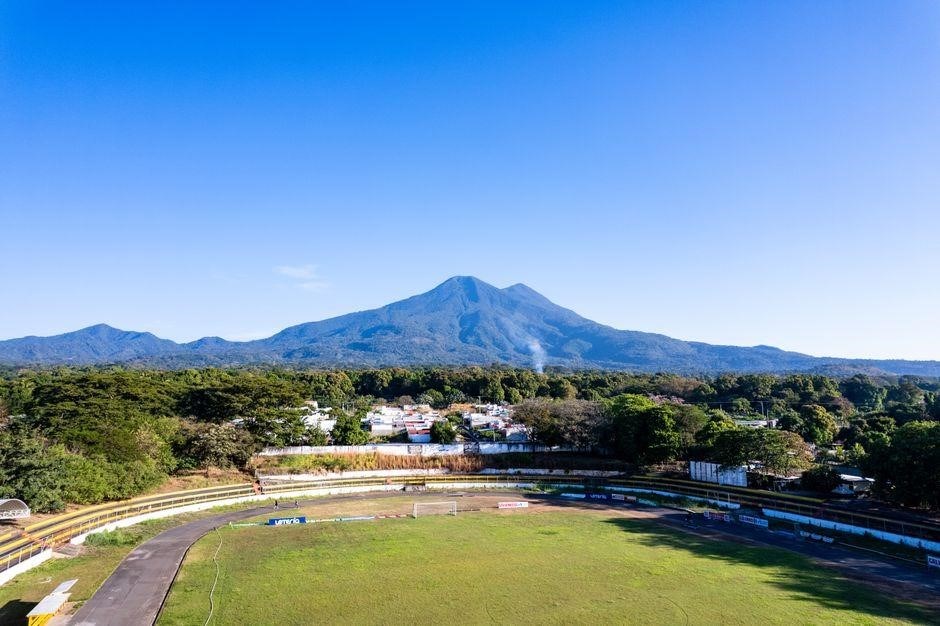
El Salvador’s landscape is a dramatic tapestry of active and dormant volcanoes that rise from the Pacific coast to the highlands. The iconic Santa Ana peak invites trekkers to a 12‑kilometre ascent, rewarding them with sweeping views of the ocean, the San Salvador Valley, and surrounding cones. Nearby, the towering San Cristóbal volcano, a UNESCO World Heritage site, offers a challenging climb ending in a turquoise crater lake that reflects the sky. For a gentler experience, the slopes of Cerro Cerro provide panoramic vistas of the city and cloud forests that blanket the interior. The country’s volcanic activity has created hot springs, such as those in Ataco, where mineral‑rich waters bubble beneath the earth’s crust, offering relaxation and a glimpse into the planet’s inner workings. Los Lagartos National Park showcases volcanic craters that host rare flora, fauna, and buzzing endemic birds. Volcanic beaches like black‑sand Playa El Tiburón feature turquoise waves against basaltic cliffs, while the Pacific coast’s rugged shoreline invites surfers and sun‑bathers alike. Volcanic geology and tropical climate create a mosaic of ecosystems—from dry forests to cloud‑covered peaks—making the country a haven for ecotourists, geologists, and adventure seekers. The fertile volcanic soils support some of the world’s finest coffee plantations, especially in Santa Ana and La Joya, where beans mature under ancient cones. The Centro Nacional de Estudios de Volcanología monitors active volcanoes, ensuring safe trekking routes and real‑time alerts for visitors. Local communities celebrate the earth’s fire with festivals honoring resilience and renewal, turning volcanic landscapes into living cultural heritage. Volcanic fields nurture diverse wildlife, from jaguars to hummingbirds, underscoring the region’s ecological richness. The country’s active volcanoes also shape local agriculture, with fertile ash soils yielding abundant crops that sustain rural communities and urban markets. Whether you’re hiking a volcanic trail, soaking in geothermal springs, or admiring the rugged beauty from a viewpoint, El Salvador’s natural wonders promise unforgettable encounters with the earth’s dynamic forces.
Beaches and Coastal Activities
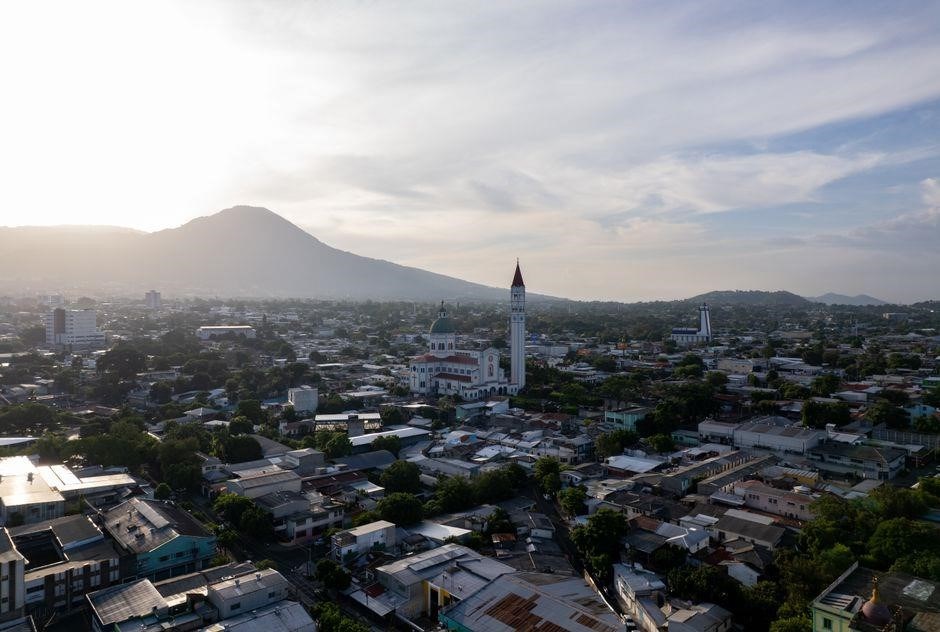
El Salvador’s Pacific coast is a mosaic of surf‑savvy surf towns, tranquil coves, and eco‑friendly marine parks. The most celebrated spot, El Zonte, offers world‑class waves for seasoned surfers and beginner‑friendly breaks for novices. Nearby, La Concha and El Cuco host vibrant beach bars where locals serve fresh ceviche and tropical cocktails while the sunset paints the sky in hues of orange and magenta.
For those seeking a quieter retreat, the remote Playa El Cuco, with its long stretch of white sand and gentle tide, is ideal for long walks, yoga sessions, and stargazing under a clear night sky. The coastal reserve of the Pacific National Park protects mangrove ecosystems and a diverse array of marine life, making it a prime spot for kayaking, snorkeling, and guided eco‑tours that highlight the region’s biodiversity. Families can enjoy the interactive aquarium at the nearby town of San Luis, where children learn about local fish species and conservation efforts.
Nightlife along the coast is a blend of local music, dance, and street food stalls offering grilled corn, empanadas, and fresh tropical fruits. Whether you’re chasing adrenaline on the waves, exploring marine habitats, or simply relaxing on a sun‑kissed beach, El Salvador’s coastline delivers a memorable experience for every traveler.
The annual Festival de La Playa, held each December, celebrates the sea with traditional music, dance, and a flotilla of colorful boats. Visitors can also explore the nearby coral reefs, where guided dives reveal vibrant fish, sponges, and the occasional reef shark. For eco‑tourists, the coastal trail from San Luis to El Zonte offers panoramic views of the Pacific, passing through cloud forests and coffee plantations that produce some of the world’s finest beans. Hiking along this trail provides a unique opportunity to learn about sustainable agriculture while enjoying breathtaking scenery. Finally, the local fishing villages, such as San Luis and El Zonte, offer authentic culinary experiences where freshly caught fish is grilled over open coals and served with homemade tortillas and salsa. With its blend of adventure, culture, and natural beauty, El Salvador’s coast invites travelers to create unforgettable memories and share them with friends and family.
Food and Culinary Highlights
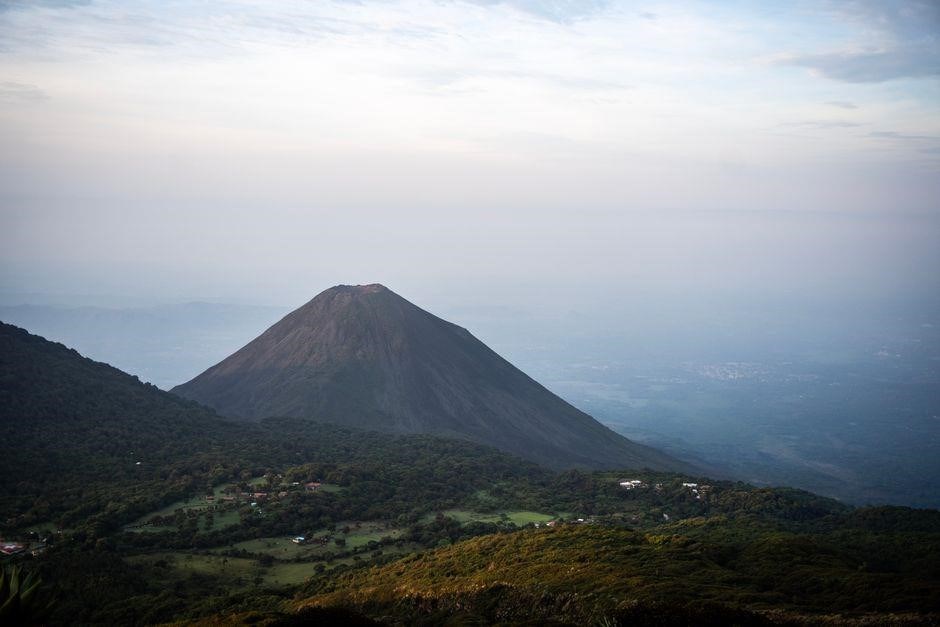
El Salvador’s food blends indigenous staples with Spanish and Afro‑Caribbean flavors. The famous pupusa—corn masa with cheese, beans, or chicharrón—grills to a golden crisp. Street stalls in San Salvador serve steaming tamales wrapped in banana leaves.
Coastal towns offer fresh ceviche made from local fish today, lime, cilantro, and a splash of pico de gallo. The dish is served chilled, showcasing the bright, citrusy flavors that define El Salvador’s seaside cuisine for a refreshing start to any meal.
High‑land coffee farms produce single‑origin beans with bright acidity and chocolate undertones. Visitors can tour a plantation, observe the roasting process, and sip café de altura while overlooking terraced fields and local pride.
Traditional desserts include dulce de leche pastries, flan custard, and airy alfajores dusted with powdered sugar. Try cocadas, coconut confections that melt in the mouth for a sweet finish after a hearty meal and a touch of nostalgia for families and friends.
Dining etiquette is relaxed yet respectful. Meals are shared among family and friends, and it is customary to toast with pisco sour or a glass of horchata before breaking bread. In bustling markets or quiet cafés for memorable experience.
During annual Feria de la Gente, food stalls showcase regional specialties like pupusas de queso con curtido and chiles rellenos stuffed with pork and cheese, served with a side of tangy salsa and live music that fills the air!!
Safety and Travel Tips
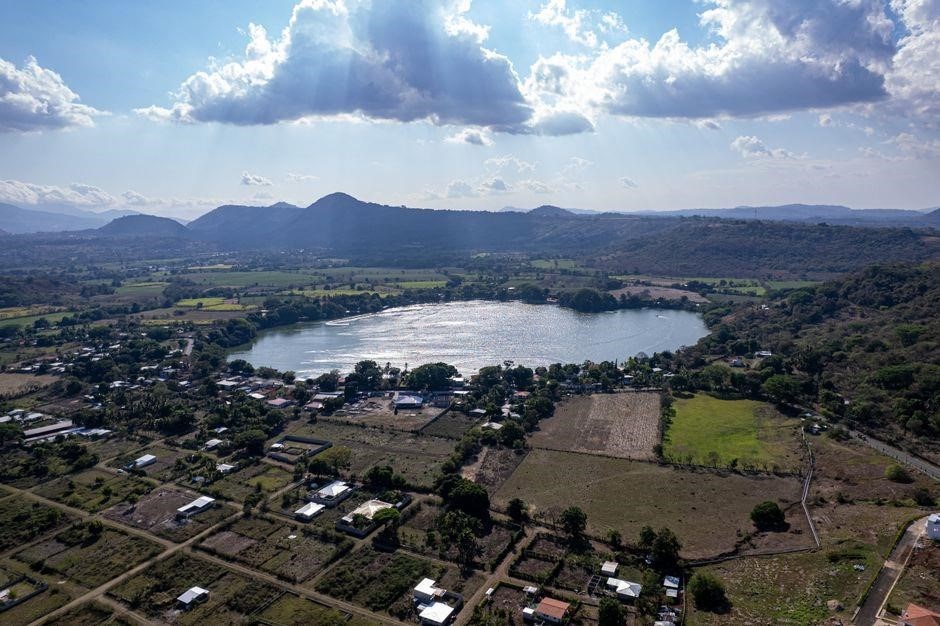
When visiting El Salvador, staying informed and cautious ensures a smooth experience. Always keep your passport, wallet, and valuables in a hotel safe or a money belt, and avoid flashing expensive electronics in crowded areas. Stick to well‑lit streets after dark and use reputable transportation—registered taxis or rideshare apps—rather than hailing cabs on the street. Check local news outlets and the U.S. State Department travel advisory for real‑time updates on crime hotspots or civil unrest. Register with the Smart Traveler Enrollment Program (STEP) to receive alerts and assistance if needed. In tourist zones, keep an eye on pickpockets, especially in markets and on public transit. Carry a copy of your itinerary and emergency contacts, and share it with someone at home. Respect local customs: greeting with a handshake, using polite language, and dressing modestly in religious sites. If you plan to visit rural or volcanic areas, hire a licensed guide, follow safety briefings, and carry a whistle or emergency beacon. Avoid traveling alone at night in isolated neighborhoods; instead, join organized tours or group activities. Finally, stay hydrated, use sunscreen, and carry a small first‑aid kit, as medical facilities may be limited outside major cities. Planahead!by checking local weatherforecasts! especially during the rainy season, and carry appropriate gear. Engage with local guides for authentic experiences, and always respect the environment by following Leave No Trace principles. Enjoy your journey safely! Respectful travelersare welcomed.
Accommodation Options
From boutique hostels in San Salvador to eco-lodges near volcanoes, options suit every budget. Luxury resorts on the Pacific offer spa, pool, and surf lessons. Guesthouses in rural towns provide authentic farm stays, while budget travelers enjoy shared dorms and free Wi-Fi.
Must-Visit Historical Sites
El Salvador’s past is etched in stone and story. Begin in San Salvador, where the 18th‑century National Palace stands on the Plaza de la Independencia, its baroque façade echoing colonial grandeur. Nearby, the Metropolitan Cathedral, a blend of neoclassical and modernist design, houses relics from the 1979 civil war. The Iglesia de San Francisco, founded in 1583, showcases intricate woodwork and a stunning altar. For a taste of pre‑colonial life, visit the National Museum of Anthropology in San Salvador, which displays artifacts from the Pipil and Lenca peoples. Venture to the historic town of Santa Ana, where the 16th‑century Casa de la Cultura preserves colonial architecture and hosts cultural events. Across the country, the archaeological site of Joya de Cerén, a UNESCO World Heritage site, offers a well‑preserved “Pompeii of the Americas,” revealing daily life in a pre‑Hispanic farming community. Finally, the 19th‑century Casa de la República in San Salvador, now a museum, chronicles the nation’s struggle for independence and the evolution of its democratic institutions. Each landmark not only tells a story of conquest, faith, or resilience but also offers visitors a tangible connection to the nation’s evolving identity, inviting them to walk through centuries of art, architecture, and memory that shape El Salvador’s unique heritage. Tours feature displays, local storytellers, and coffee tastings, letting travelers immerse in the culture that thrives in plazas, markets, and mountain villages today.!
Popular Hiking Trails
El Salvador’s volcanic backbone offers a variety of trails that cater to both casual walkers and seasoned trekkers. The most celebrated routes showcase dramatic crater views, lush cloud forests, and historic coffee plantations. Below are three must‑visit hikes that capture the country’s natural diversity.
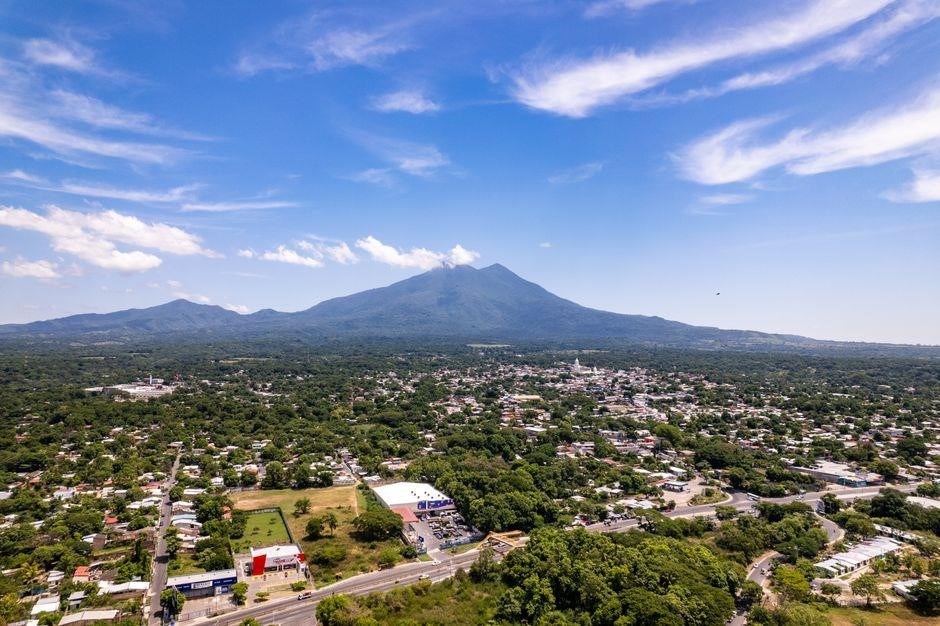
- Volcán Santa Ana – The 1,500‑meter peak provides a moderate ascent with panoramic vistas of the Pacific coast and the neighboring country of Guatemala. The trail covers approximately 8 km round‑trip and typically takes 4–5 hours to complete. The path passes through a mix of pine and oak forests, and hikers often spot local wildlife such as howler monkeys and colorful hummingbirds. Guided sunrise hikes at Santa Ana allow hikers to witness the sun cresting over the Pacific, a breathtaking moment that many consider the highlight of their trip.
- El Volcán Izalco – Known as the “Lighthouse of the Pacific,” Izalco’s crater rim offers a challenging climb that rewards adventurers with a close view of the active volcano’s fumaroles. The ascent is roughly 5 km and can be finished in 3–4 hours. The trail is steep in places, so proper footwear and water are essential. Trailheads are accessible by public bus or private car; parking is available at the base of each volcano.
- Ruta de Los Cañones – This less‑traveled path winds through the canyon of the San Luis River, featuring dramatic rock formations and a network of hanging bridges. The walk spans about 6 km and usually takes 3–4 hours. The hike is ideal for those seeking a mix of natural scenery and cultural interaction, as local communities often host guided tours. Visitors may encounter orchids, bromeliads, and the endemic “cascabel” tree along the route.
- Ruta de El Cerro Chalatenango – For longer adventures, this multi‑day trek traverses highland valleys and passes by historic battle sites. The trail covers 25 km over two days, with campsites along the route. Hikers should be prepared with a sturdy backpack, extra layers, and a first‑aid kit.
Preparation tips: start early to avoid afternoon heat, carry a reusable water bottle, and bring a light rain jacket. Many trails are marked, but a local guide can enhance safety and provide insights into the region’s flora, fauna, and history. Always check local advisories before setting out, as weather can vary dramatically; the dry season (November to April) offers clearer skies, while the rainy season (May to October) brings lush greenery but increased risk of landslides.
After a day of hiking, many visitors enjoy local hospitality by visiting nearby villages where traditional music, dance, and cuisine await. Sampling “pupusas” and “atole” while sharing stories with fellow travelers enriches the experience. Hikers should carry a map, GPS, and a whistle; in case of emergency, local authorities can be reached at 911.
Family-Friendly Destinations
El Salvador’s compact size lets families explore a mix of culture, nature, and fun. Highlights include interactive museums, wildlife parks, and scenic lakes that are safe and engaging for all ages.
- El Santiago Zoo – In the capital, the zoo showcases native animals such as jaguars, toucans, and the endangered “Sierra Chinante” deer. Children can feed birds and touch reptiles in supervised areas.
- Isla Coatepeque – A volcanic crater lake with calm waters, a sandy beach, and a playground. Guided boat tours explain local legends, and the surrounding hills offer easy walks.
- Ruta de Los Cañones – A gentle trail featuring hanging bridges, a small waterfall, and a picnic spot. The path is stroller‑friendly and includes educational signs about local plants.
- Casa de la Cultura Popular – A cultural center in San Salvador where kids can try weaving, pottery, or dance. Workshops are led by local artisans and are suitable for all ages.
Practical tips: keep kids hydrated, use sunscreen, and stay on marked paths. Many sites offer free or discounted admission for school groups, and local guides can tailor tours for younger visitors. With friendly locals and well‑maintained attractions, El Salvador is a top choice for family travel. The friendly locals and vibrant markets add a touch to every outing.
Nightlife and Entertainment Hubs
El Salvador’s nightlife pulses in the capital’s historic center, where cobblestone streets transform into a mosaic of music, dance, and culinary delights after dusk. The Plaza Barrios area hosts a mix of rooftop lounges, craft‑beer bars, and salsa clubs that cater to both locals and international visitors. A popular spot, La Casa de la Música, offers live Latin jazz and a rotating lineup of regional artists, while El Téatro hosts theatrical performances and comedy nights. For a more laid‑back vibe, the Zona Rosa district features speakeasy‑style cocktail bars and open‑air cafés that stay lively until midnight. Beyond San Salvador, the coastal town of La Concepción presents a beach‑side bar scene where surf‑inspired cocktails and reggae rhythms keep the party rolling. The nearby El Palo neighborhood is known for its underground techno clubs, attracting clubgoers from across Central America. Meanwhile, the university district in San José offers a youthful atmosphere with student‑run venues, karaoke bars, and indie music festivals during the spring semester. Nightlife thrives in El Salvador’s vibrant scene, where music, dance, and culinary delights mingle with the warm, welcoming locals, creating an unforgettable rhythm of celebration. From sunrise to midnight, the city’s rhythms echo in every corner, inviting travelers to dance, dine, and discover the soul of El Salvador. Whether you’re chasing the latest DJ sets or savoring a quiet night under the stars, El Salvador’s vibrant scene guarantees unforgettable memories! From dusk, the city’s beats mingle with waves, inviting all to celebrate El Salvador’s spirit!!!
Local Markets and Shopping
El Salvador’s markets blend tradition with commerce. In San Salvador, Mercado Central offers fresh produce, cheese, and pupusas, while Mercado de Artesanías displays hand‑woven textiles, embroidered huipiles, and wood carvings. La Merced, a city bazaar, sells spices, tropical fruits, and artisanal jewelry from vendors eager to share their craft. Modern malls like Centro Commercial and Plaza Salvador host international brands, boutique shops, and gourmet food courts, mixing contemporary design with local flair.
Beyond the capital, La Juana’s weekly flea market features fresh seafood and ceramics. Rural markets in Santa Ana sell organic coffee beans straight from the farms, letting visitors taste the region’s flavor before purchasing. Santa Ana’s Mercado de la Cruz, framed by colonial architecture, offers coffee, cacao, and sweets, while San José’s Mercado de la Loma is famed for seafood, tropical fruit, and handmade textiles.
- Arrive early to beat crowds.
- Bargain politely; haggling is customary.
- Cash only—many stalls accept pesos.
- Try local sweets like alfajores and cajeta.
- Inspect weave density for authentic textiles.
Whether hunting souvenirs, sampling street food, or soaking in the lively atmosphere, El Salvador’s markets promise an unforgettable cultural experience.
Each market offers a unique glimpse into local life, from vibrant colors to aromatic spices.