

First Alert Smoke and CO Alarm Manual: Comprehensive Guide
This manual provides essential guidance for operating your First Alert Smoke and Carbon Monoxide Alarm‚ ensuring safety within a single family residence.
Understanding Your Alarm
Your First Alert Smoke and CO Alarm is a vital safety device designed to provide early warning of both smoke and carbon monoxide (CO) hazards. This AC-powered alarm‚ with battery backup‚ offers continuous protection‚ even during power outages. Interconnection capability allows multiple alarms to sound simultaneously when one detects a threat‚ enhancing awareness throughout your home.
It’s crucial to understand that this alarm is intended for use within a single-family residence only. Interconnecting with alarms in neighboring homes can lead to unwanted alarms during testing or actual events. Compatibility is key; ensure all interconnected units are wired to compatible First Alert or BRK Electronics models like SMI100-AC‚ SMCO100V-AC‚ or 9120 series. Proper installation and regular testing are paramount for optimal performance.
Key Features and Benefits
This First Alert Smoke and CO Alarm delivers comprehensive protection with several key features. AC power with battery backup ensures continuous operation‚ even during power failures. The integrated carbon monoxide detection safeguards against this silent‚ deadly gas‚ while the smoke detection alerts you to potential fires. Interconnection capability allows for whole-house alarm activation – if one alarm senses danger‚ all interconnected alarms sound.
Benefits include enhanced safety for your family‚ peace of mind knowing you’re protected against two major household hazards‚ and the convenience of a single device for both smoke and CO detection. Compatible models (SMI100-AC‚ SMCO100V-AC‚ BRK 9120 series) simplify system building. Remember‚ proper installation within a single-family residence is vital for reliable performance and to avoid false alarms in neighboring homes.
Alarm Compatibility: Interconnected Models
Interconnection is a powerful feature‚ enabling a network of alarms to sound simultaneously when one detects smoke or carbon monoxide. However‚ compatibility is crucial for proper function. This unit is specifically designed to interconnect with First Alert models SMI100-AC and SMCO100V-AC‚ providing seamless integration within that ecosystem.
Furthermore‚ compatibility extends to select BRK Electronics models‚ including 9120‚ 9120B‚ and SC9120B. Important limitation: interconnection is strictly limited to a single-family residence. Connecting across multiple households will result in unwanted alarms when testing or during an actual event. Ensure all interconnected units are wired correctly and meet all requirements for reliable operation. Failure to adhere to these guidelines may compromise the entire system’s effectiveness.
Compatible First Alert Models (SMI100-AC‚ SMCO100V-AC)
For optimal performance and reliable interconnection‚ this First Alert Smoke and CO Alarm is engineered for seamless compatibility with specific First Alert models. The SMI100-AC‚ a dedicated smoke alarm‚ integrates flawlessly‚ ensuring a unified response to fire hazards throughout your home; Similarly‚ the SMCO100V-AC‚ combining both smoke and carbon monoxide detection‚ offers comprehensive protection when interconnected with this unit.

These models share a common communication protocol‚ allowing them to function as a cohesive system. When one alarm detects a threat‚ all interconnected units will activate‚ providing early warning across your single-family residence. Utilizing compatible models guarantees the interconnected features operate as intended‚ maximizing safety and peace of mind. Always verify model numbers before installation to ensure proper functionality.
Compatible BRK Electronics Models
Expanding interconnection possibilities‚ this First Alert Smoke and CO Alarm demonstrates compatibility with select BRK Electronics models‚ broadening your options for a fully integrated home safety system. Specifically‚ BRK models 9120‚ 9120B‚ and SC9120B have been verified to function seamlessly with this unit‚ enabling a unified alarm response throughout your single-family dwelling.
BRK Electronics is a trusted manufacturer of smoke and carbon monoxide alarms‚ and these compatible models adhere to the same rigorous safety standards as First Alert products. Interconnecting with these BRK models ensures consistent performance and reliable communication. It’s crucial to confirm the model number before installation to guarantee compatibility and proper operation of the interconnected system. This expands your choices while maintaining a high level of safety and protection for your home and family.
Interconnection Limitations: Single Family Residence Only
Critical to system functionality‚ interconnection is strictly limited to within a single-family residence; Attempting to interconnect alarms across separate households will result in unintended and disruptive false alarms whenever any unit is tested or detects a hazard. This limitation is a fundamental aspect of the system’s design‚ preventing widespread‚ unnecessary alerts to neighboring properties.
Proper operation relies on a closed system. Interconnected units must be wired together within the confines of one dwelling to ensure reliable communication and coordinated alarm activation. Failure to adhere to this restriction compromises the integrity of the system and can lead to significant inconvenience and potential disregard for genuine emergencies. Always verify that all interconnected units are located within the same household before initiating testing or relying on the system’s interconnected features.
Installation Guide
Careful installation is paramount for optimal performance of your First Alert Smoke and CO Alarm. Before beginning‚ thoroughly review all included documentation and safety precautions. Select appropriate locations‚ adhering to the recommendations outlined in this manual – prioritizing areas with unobstructed airflow and away from potential interference sources like kitchens or bathrooms.
Electrical connection requires utmost caution. Always disconnect power to the installation area before removing any existing alarms or commencing wiring. Follow the provided wiring diagrams precisely‚ ensuring secure connections to compatible units (SMI100-AC‚ SMCO100V-AC‚ or BRK Electronics models). Incorrect wiring can compromise functionality and create a safety hazard. Once installed‚ test the alarm immediately to verify proper operation and interconnection with other units.
Electrical Safety Precautions
Prioritizing electrical safety is crucial during installation and maintenance of your First Alert Smoke and CO Alarm. A severe electrical shock hazard exists if power is not disconnected before handling the alarm or its wiring. Always turn off the power supply to the area at the breaker panel before removing the alarm from its mounting bracket or performing any wiring adjustments.
Failure to de-energize the circuit can result in serious injury‚ death‚ or damage to the alarm system. If you are uncomfortable working with electrical wiring‚ consult a qualified electrician. Ensure all wiring connections are secure and comply with local electrical codes. Never attempt to modify the alarm’s wiring or bypass any safety features. Remember‚ proper installation and adherence to these precautions are vital for your safety.
Power Disconnection Before Removal
Before removing your First Alert Smoke and CO Alarm from its mounting bracket‚ absolutely disconnect the power supply at the circuit breaker or fuse box. This is a non-negotiable safety precaution to prevent potentially fatal electrical shock. Ignoring this warning could lead to severe injury or death. Confirm the power is off by testing the circuit with a non-contact voltage tester.
Even if the alarm is battery-powered‚ disconnecting the AC power source (if applicable) is essential during removal. Carefully lower the mounting bracket after verifying no voltage is present. Do not attempt to pry the alarm loose while power is still connected. This step safeguards both you and the integrity of your home’s electrical system. Always prioritize safety when working with electrical devices.
Alarm Operation
Your First Alert Smoke and CO Alarm is designed for continuous operation‚ providing 24/7 protection. Upon detecting smoke or carbon monoxide‚ the alarm will emit a loud‚ distinctive siren. If interconnected with other compatible First Alert or BRK Electronics models (SMI100-AC‚ SMCO100V-AC‚ 9120‚ 9120B‚ SC9120B)‚ all connected alarms will sound simultaneously‚ alerting everyone in the residence.
The alarm’s voice feature will clearly announce the detected hazard – “Fire!” or “Carbon Monoxide!”. Regular testing (see ‘Testing Your Alarm’ section) is crucial to ensure proper functionality. Remember‚ interconnected systems are limited to single-family homes to avoid nuisance alarms in neighboring residences. Proper wiring and compatibility are essential for interconnected operation. This unit is designed to protect and provide peace of mind.
Alarm Indicators: Lights and Sounds
Your First Alert Smoke and CO Alarm utilizes both audible and visual indicators to communicate its status. A loud‚ pulsing siren signifies the detection of smoke or carbon monoxide‚ immediately alerting occupants. The alarm also features a voice alert‚ clearly stating “Fire!” or “Carbon Monoxide!” to identify the specific hazard.
LED lights provide additional information. A flashing red light typically indicates an alarm condition‚ while a flashing yellow light often signals a malfunction or low battery. The specific light patterns may vary; consult the manual for detailed explanations. During self-testing‚ a brief light flash and sound may occur. Understanding these indicators is vital for prompt and appropriate response. Regular testing ensures these signals function correctly‚ maximizing safety within your home.
Testing Your Alarm
Regular testing is crucial to ensure your First Alert Smoke and CO Alarm is functioning correctly. Press the test button on the alarm face; this simulates a smoke or CO condition‚ triggering the alarm sound and lights. Test your alarm at least monthly‚ and immediately after replacing the battery or after any power outage.
If the alarm does not sound during testing‚ immediately replace the battery (if applicable) and retest. If the problem persists‚ contact customer support. Remember that interconnected alarms will all sound when one unit is tested. However‚ testing within a single-family residence is recommended to avoid disturbing neighboring households. Consistent testing provides peace of mind‚ confirming your alarm is ready to protect you and your family from potential hazards.
Troubleshooting Common Issues
Addressing common issues promptly ensures your First Alert Smoke and CO Alarm remains reliable. Frequent false alarms can stem from cooking fumes‚ steam‚ or dust. Relocate the alarm if these consistently trigger it‚ avoiding kitchen or bathroom proximity. A chirping sound often indicates a low battery; replace it immediately‚ even if the alarm still functions.
If the alarm fails to respond during testing‚ check the power connection (for AC-powered models) and replace the battery. Interconnected systems may require checking all units to pinpoint the source of the issue. Remember‚ interconnected units function only with compatible models. If problems persist‚ consult the manual or contact First Alert customer support for assistance. Ignoring these issues compromises your safety.
False Alarm Causes
Understanding potential false alarm triggers is crucial for maintaining a reliable First Alert Smoke and CO Alarm system. Common culprits include cooking smoke‚ especially from broiling or frying‚ and excessive steam from showers. Dust and insects entering the alarm chamber can also initiate false readings‚ highlighting the importance of regular cleaning.

Additionally‚ strong air currents or nearby heating appliances might contribute to unwanted alarms. Avoid installing alarms directly near these sources. Testing the alarm frequently helps identify sensitivity levels and potential issues. Remember‚ consistently addressing these causes minimizes disruptions and ensures the alarm responds accurately to genuine emergencies. Proper placement and maintenance are key to preventing false alarms and maintaining peace of mind.
Low Battery Indicator
Your First Alert Smoke and CO Alarm is equipped with a low battery warning system to ensure continuous protection. Typically‚ this manifests as a distinct chirping sound‚ occurring periodically – usually once every 30 seconds. This audible alert signifies that the battery is nearing depletion and requires immediate replacement. Ignoring this signal compromises the alarm’s ability to detect smoke or carbon monoxide effectively.
Prompt battery replacement is vital for maintaining reliable safety. Use only the battery type specified in the manual to avoid performance issues. The chirping will cease after a fresh battery is installed. If the chirping continues‚ verify proper battery installation and consider testing the alarm; Regular battery checks‚ especially during daylight saving time changes‚ are recommended preventative measures. Don’t disable the alarm to silence the chirp; replace the battery!
Battery Replacement

Maintaining your First Alert Smoke and CO Alarm requires periodic battery replacement‚ even with AC power. Always use a fresh battery of the type specified in this manual – typically a 9-volt battery. To replace the battery‚ carefully detach the alarm from its mounting bracket‚ ensuring the AC power is disconnected as a safety precaution. Locate the battery compartment‚ usually on the back or side of the alarm.
Remove the old battery and connect the new one securely‚ observing the correct polarity (+ and -). Reattach the alarm to the mounting bracket and test its functionality using the test button. A properly installed battery will silence any low-battery chirps and restore full operational capability. Dispose of used batteries responsibly‚ following local regulations. Regular battery checks‚ at least twice a year‚ are crucial for reliable protection.
Carbon Monoxide Detection Details
This First Alert alarm is designed to detect the presence of carbon monoxide (CO)‚ an odorless‚ colorless‚ and poisonous gas. CO is produced by the incomplete burning of fuels such as natural gas‚ propane‚ oil‚ and wood. The electrochemical sensor within the alarm continuously monitors CO levels‚ providing an early warning of potentially dangerous concentrations.
The alarm sounds a distinct pattern of four beeps‚ repeated‚ when CO is detected. Different CO levels trigger varying alarm durations and intensities. It’s crucial to understand that CO alarms are not substitutes for CO detection systems and regular appliance maintenance. Ensure proper ventilation and never ignore the alarm – evacuate immediately and call emergency services. Regular testing and battery replacement are vital for reliable CO detection. Familiarize yourself with the CO alarm’s indicator lights for status updates.
Smoke Detection Details
This First Alert alarm utilizes photoelectric sensing technology to detect smoke from various sources‚ including smoldering fires and fast-flaming fires. Photoelectric sensors are generally more effective at detecting slow‚ smoldering fires which often produce larger smoke particles. The alarm differentiates between normal household smoke‚ like from cooking‚ and dangerous fire-related smoke.
Upon detecting smoke‚ the alarm emits a loud‚ pulsating alarm pattern – typically three long beeps followed by a pause. This distinct sound is designed to quickly alert occupants to a potential fire hazard. It’s important to note that smoke alarms are most effective when installed in appropriate locations‚ away from cooking areas and excessive moisture. Regular testing and cleaning are essential to maintain optimal performance. Understanding the alarm’s indicator lights provides insight into its operational status and potential issues.
Alarm Location Recommendations
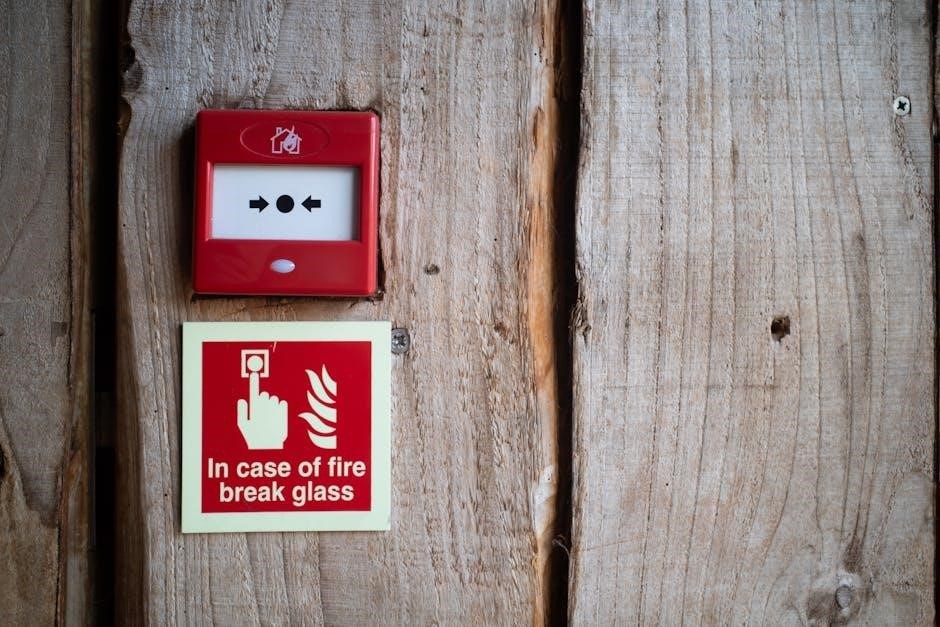
For optimal protection‚ install smoke and CO alarms on every level of your home‚ including the basement. Inside each bedroom and outside sleeping areas is crucial‚ ensuring alerts are heard even while asleep. Avoid installing alarms in kitchens‚ bathrooms‚ or near steam sources due to potential false alarms from cooking or humidity.
Mount alarms high on walls or ceilings‚ following manufacturer’s instructions for specific models. Keep alarms at least 10 feet away from cooking appliances to minimize nuisance alarms. Avoid obstructed areas like corners where airflow is limited. Interconnected alarms require careful planning to ensure all units are within range for effective communication. Regularly inspect alarm locations to confirm they remain unobstructed and functional. Proper placement significantly enhances the alarm’s ability to detect hazards quickly and reliably.
Maintenance and Cleaning
To ensure reliable operation‚ perform regular maintenance on your First Alert Smoke and CO Alarm. Dust and debris can interfere with sensor accuracy‚ so clean the exterior of the alarm at least every six months using a soft cloth; Avoid using water‚ cleaning solutions‚ or chemicals as they may damage the sensor.
Test the alarm monthly by pressing the test button to verify functionality. Replace batteries immediately when the low battery indicator sounds‚ even if the alarm is AC powered with battery backup. Inspect the alarm for any physical damage and replace it if necessary. Never disassemble or attempt to repair the alarm yourself. Proper maintenance extends the life of your alarm and ensures it remains a vital component of your home safety system. Refer to the manual for specific cleaning instructions for your model.
Understanding Alarm Interconnection
Interconnection allows multiple First Alert Smoke and CO Alarms to communicate with each other‚ providing a comprehensive safety network. When one alarm detects smoke or carbon monoxide‚ all interconnected alarms will sound‚ alerting occupants throughout the home. This is particularly crucial for larger homes or those with multiple levels.
Interconnection is limited to a single family residence; connecting across separate households can cause unwanted alarms. Compatible models include First Alert SMI100-AC and SMCO100V-AC‚ as well as certain BRK Electronics models. Proper wiring is essential for functionality – ensure all alarms are wired to compatible units and meet all installation requirements. Interconnected systems enhance safety by providing early warning and maximizing evacuation time. Always consult the manual for detailed interconnection instructions.
Identifying the Initiating Alarm in an Interconnected System
When multiple alarms sound‚ pinpointing the source is crucial for a swift response. The First Alert manual provides a table to help identify which alarm initially detected the smoke or carbon monoxide. This table details specific alarm behaviors – such as unique light patterns or sound sequences – that differentiate the initiating unit from the others.

Carefully observe each alarm’s indicator lights and listen for distinct sound characteristics. The manual’s table will guide you through interpreting these signals. Knowing the originating alarm allows for focused investigation and appropriate action. Remember‚ all interconnected alarms are designed to alert the entire household‚ but identifying the source helps determine the location of the hazard. Refer to the manual’s specific table for your model to accurately determine the initiating alarm.
Alarm Limitations and Warnings
Smoke alarms are not a substitute for carefulness in preventing fires. This device may not operate if the power is disconnected or the battery is depleted. Regular testing is vital to ensure functionality. Carbon monoxide alarms do not protect against all types of CO exposure‚ and may not alert during initial stages of low-level exposure.
Interconnected systems are limited to single-family residences; testing in multi-unit dwellings can cause unwanted alarms. False alarms can occur due to cooking‚ steam‚ or dust. This alarm is not designed to detect flammable gases. Always investigate any alarm activation‚ even if the cause seems obvious. Improper installation or maintenance can compromise performance. Read the entire manual for complete warnings and limitations to maximize safety and understand the device’s capabilities.
Important Safety Information
Electrical shock hazard exists during removal; always disconnect power before accessing the alarm. This device is designed for indoor use only and should not be exposed to extreme temperatures or humidity. Never attempt to repair the alarm – contact qualified personnel for assistance. Ensure the alarm is securely mounted according to the installation instructions.
Regularly test the alarm (at least monthly) to verify operational status. Inform all household members about the alarm’s sound and evacuation procedures. Keep the alarm clean to prevent dust buildup‚ which can cause false alarms or malfunctions. Replace the alarm every 10 years‚ even if it appears to be functioning correctly. Failure to follow these safety guidelines could compromise the alarm’s effectiveness and endanger lives. Prioritize safety and responsible alarm maintenance.
Warranty Information
First Alert warrants this Smoke and CO Alarm to be free from defects in material and workmanship for a period of one year from the date of purchase. This warranty covers defects in manufacturing and does not extend to damage resulting from misuse‚ abuse‚ or normal wear and tear. If a defect is discovered within the warranty period‚ First Alert will‚ at its option‚ repair or replace the defective alarm free of charge.
To obtain warranty service‚ contact First Alert customer support with proof of purchase. This warranty is exclusive and constitutes the sole remedy for any defects. First Alert disclaims all other warranties‚ express or implied‚ including but not limited to‚ any implied warranty of merchantability or fitness for a particular purpose. This warranty gives you specific legal rights‚ and you may also have other rights which vary from state to state.