
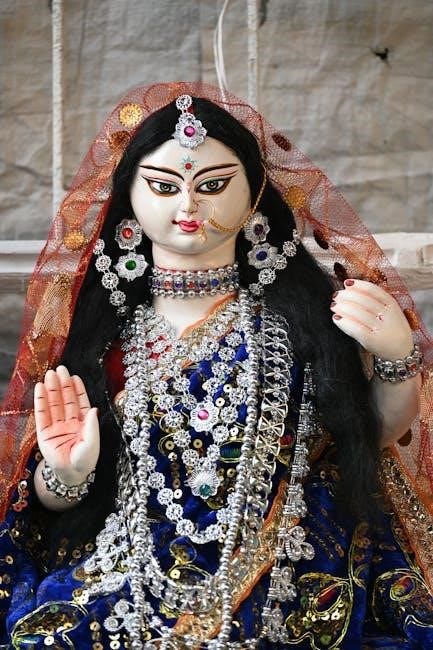
Lakshmi Ashtothram is a sacred hymn dedicated to Goddess Lakshmi, comprising 108 divine names. It is a revered devotional prayer in Hindu worship, available in Telugu PDF for chanting.
What is Lakshmi Ashtothram?
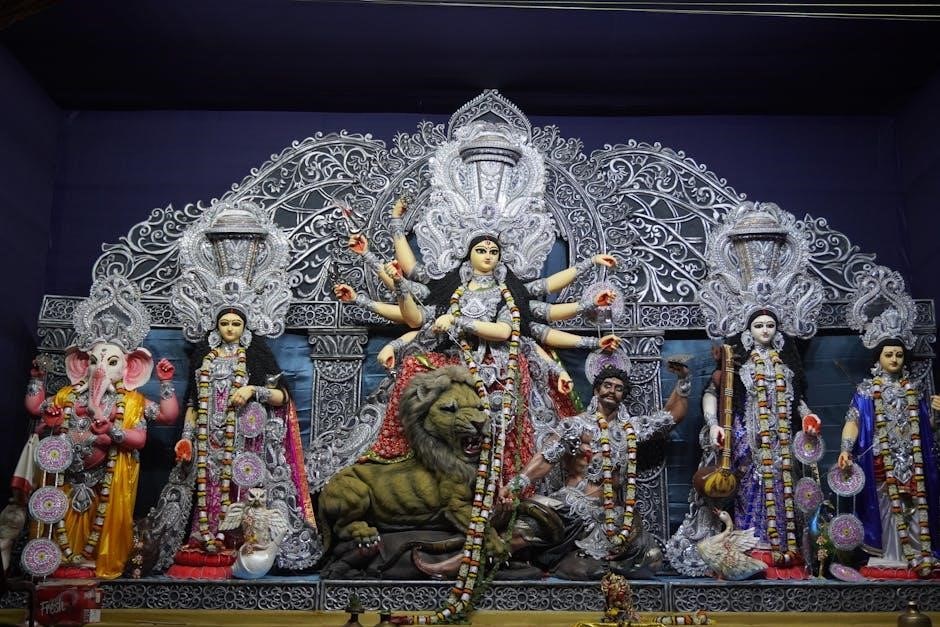
Lakshmi Ashtothram is a devotional hymn dedicated to Goddess Lakshmi, consisting of 108 sacred names that extol her virtues and divine attributes. It is a significant prayer in Hindu spirituality, often chanted during worship rituals to invoke her blessings. The Telugu PDF version of Lakshmi Ashtothram is widely sought after for its accessibility and ease of recitation. Each name in the Ashtothram carries profound meaning, reflecting Goddess Lakshmi’s role as the embodiment of wealth, prosperity, and spiritual growth. Chanting this hymn is believed to bring material and spiritual benefits, fostering inner peace and positive energy. It is a popular choice for devotees seeking to connect with Goddess Lakshmi and experience her divine grace.
Significance of Lakshmi Ashtothram in Telugu
Lakshmi Ashtothram holds immense cultural and spiritual significance in Telugu-speaking communities, serving as a powerful devotional tool to worship Goddess Lakshmi. The Telugu PDF version is widely revered for its accessibility, allowing devotees to chant the 108 sacred names with ease. It is often recited during puja rituals, festivals, and daily worship to seek blessings for prosperity, wealth, and spiritual growth. The hymn is believed to embody Goddess Lakshmi’s divine attributes, fostering a deep connection with her grace. Its rhythmic chanting is thought to bring inner peace, positive energy, and material success. In Telugu tradition, Lakshmi Ashtothram is a cherished prayer, reflecting the community’s devotion and faith in Goddess Lakshmi’s benevolence.
Benefits of Chanting Lakshmi Ashtothram
Chanting Lakshmi Ashtothram brings spiritual growth, material prosperity, and inner peace. It attracts positive energy, enhances well-being, and strengthens devotion to Goddess Lakshmi.
Spiritual Benefits

Chanting Lakshmi Ashtothram offers profound spiritual benefits, including purification of the soul and a deeper connection with Goddess Lakshmi. It enhances spiritual growth by fostering devotion and mindfulness. The hymn’s sacred verses are believed to cleanse the mind of negativity, promoting a sense of calm and divine grace. Regular chanting is said to strengthen one’s faith and bring harmony to life. Additionally, it is thought to help seekers attain spiritual enlightenment and blessings from the goddess. The rhythmic recitation of the 108 names creates a meditative atmosphere, allowing devotees to focus on their inner self and experience divine energy. This practice is highly revered in Hindu spirituality for its ability to uplift the soul and bring one closer to the divine.
Material Prosperity and Wealth
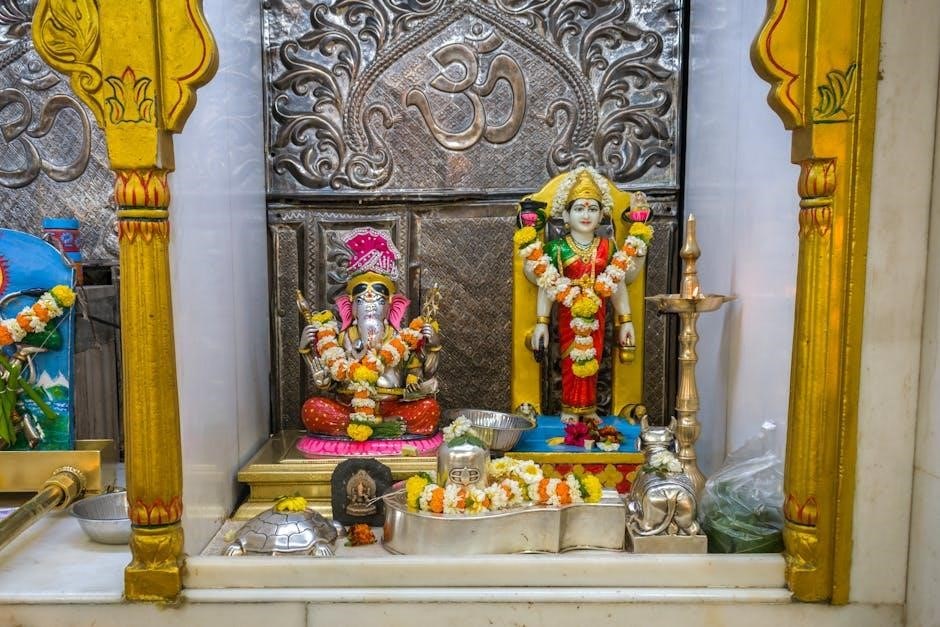
Chanting Lakshmi Ashtothram is believed to attract material prosperity and wealth by invoking Goddess Lakshmi’s blessings. The hymn is often recited to overcome financial difficulties and ensure stability. Devotees trust that the divine energy of the 108 names brings good fortune and abundance. Regular chanting is said to enhance one’s ability to manage wealth wisely and attract positive opportunities. It is also believed to protect against financial losses and misfortunes. The Telugu PDF version of Lakshmi Ashtothram serves as a convenient resource for those seeking to harness these benefits through dedicated worship and chanting. By focusing on the goddess’s grace, devotees aim to achieve both material success and a balanced life.
Inner Peace and Positive Energy
Chanting Lakshmi Ashtothram fosters inner peace and radiates positive energy, calming the mind and soul. The rhythmic recitation of the 108 names creates a meditative state, helping devotees connect with Goddess Lakshmi’s divine grace. This practice is believed to cleanse the mind of negativity, promoting emotional balance and harmony. The hymn’s soothing vibrations are said to fill the environment with positivity, enhancing overall well-being. Regular chanting is also thought to reduce stress and anxiety, replacing them with a sense of tranquility. The Telugu PDF version of Lakshmi Ashtothram serves as a convenient guide for those seeking to incorporate this spiritual practice into their daily routine for inner peace and mental clarity.
Structure of Lakshmi Ashtothram
Lakshmi Ashtothram consists of 108 sacred names of Goddess Lakshmi, each carrying profound spiritual significance. The hymn is structured with rhythmic chanting, enhancing its devotional impact and melody.
108 Names of Goddess Lakshmi
The 108 names of Goddess Lakshmi, as detailed in the Lakshmi Ashtothram, are sacred invocations that embody her divine attributes and blessings. Each name reflects her role as the embodiment of wealth, prosperity, and spiritual growth. These names are not just mere titles but carry deep spiritual significance, representing her various forms and virtues. Chanting these names is believed to invoke her grace, bringing prosperity, peace, and fulfillment to the devotee’s life. The Telugu PDF versions of Lakshmi Ashtothram include these 108 names, making it accessible for devotees to recite and meditate upon. The names are arranged in a rhythmic and melodious pattern, enhancing the devotional experience during worship.
Meaning and Significance of Each Name
Each of the 108 names in Lakshmi Ashtothram holds profound spiritual and philosophical significance, reflecting Goddess Lakshmi’s diverse attributes. These names are not merely titles but embody her divine qualities, such as prosperity, wisdom, and compassion. For instance, names like “Prakrutyai” symbolize her role as the personification of nature, while “Vidyaayai” highlights her association with knowledge. Chanting these names is believed to invoke her blessings, fostering wealth, harmony, and spiritual growth. The Telugu PDF versions of Lakshmi Ashtothram provide devotees with an accessible way to recite and understand these sacred names, enabling deeper connection and devotion. Each name is a powerful mantra, resonating with divine energy and grace.
Rhythmic Chanting and Melody
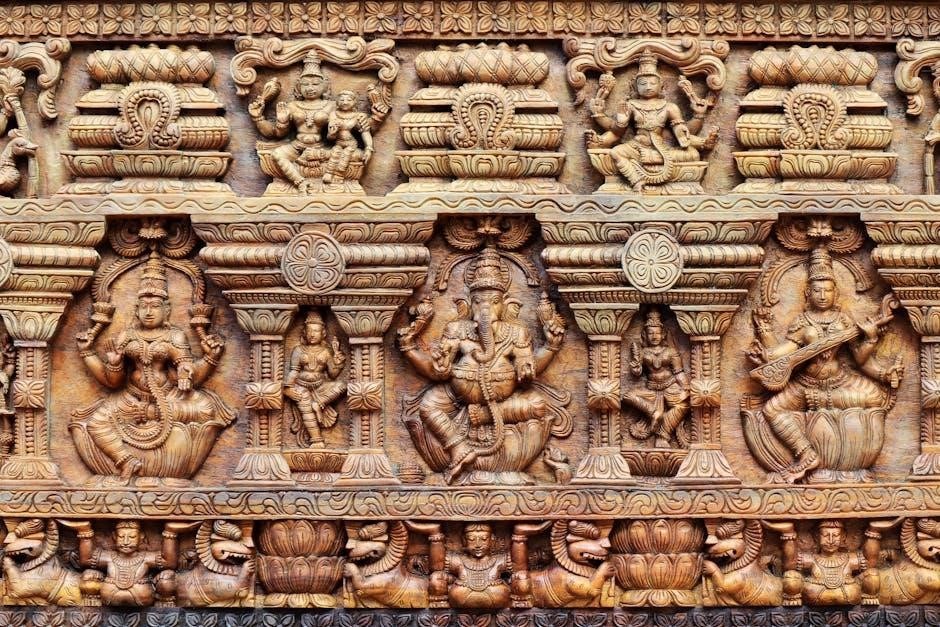
Lakshmi Ashtothram is traditionally recited with a soothing rhythm and melody, enhancing its spiritual impact. The rhythmic chanting creates a meditative atmosphere, helping devotees focus and connect deeply with Goddess Lakshmi. The melody, often passed down through generations, is designed to elevate the chant’s emotional and devotional essence. In Telugu PDF versions, the text is structured to maintain this rhythmic flow, making it easier for devotees to follow and recite in harmony. The combination of rhythm and melody transforms the chanting into a powerful spiritual practice, believed to attract divine grace and positivity. Many resources and guides in the Telugu PDF format include notations or tips to aid in proper recitation, ensuring the chant’s effectiveness and beauty are preserved.
Downloading Lakshmi Ashtothram in Telugu PDF
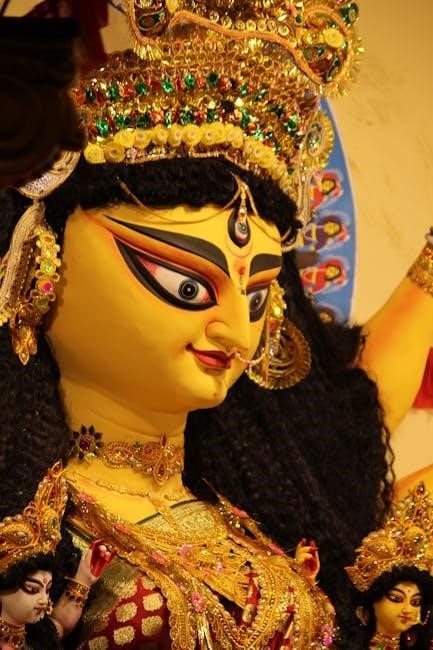
The Lakshmi Ashtothram in Telugu PDF is widely available on popular spiritual websites like Vaidika Vignanam and Stotranidhi. It is free to download and easily accessible.
Popular Websites for Download
Several reputable websites offer the Lakshmi Ashtothram in Telugu PDF for free download. Vaidika Vignanam and Stotranidhi are among the most popular platforms, providing easy access to the sacred text. These websites are known for their extensive collection of spiritual and devotional literature, including Lakshmi Ashtothram. They ensure high-quality PDFs with clear Telugu script and proper formatting, making it convenient for devotees to read and chant. Additionally, these sites often feature multiple language options and user-friendly navigation, catering to a wide audience. Downloading the PDF is straightforward, with no registration required, allowing seamless access to the divine hymn for spiritual practices and worship.
Steps to Download the PDF
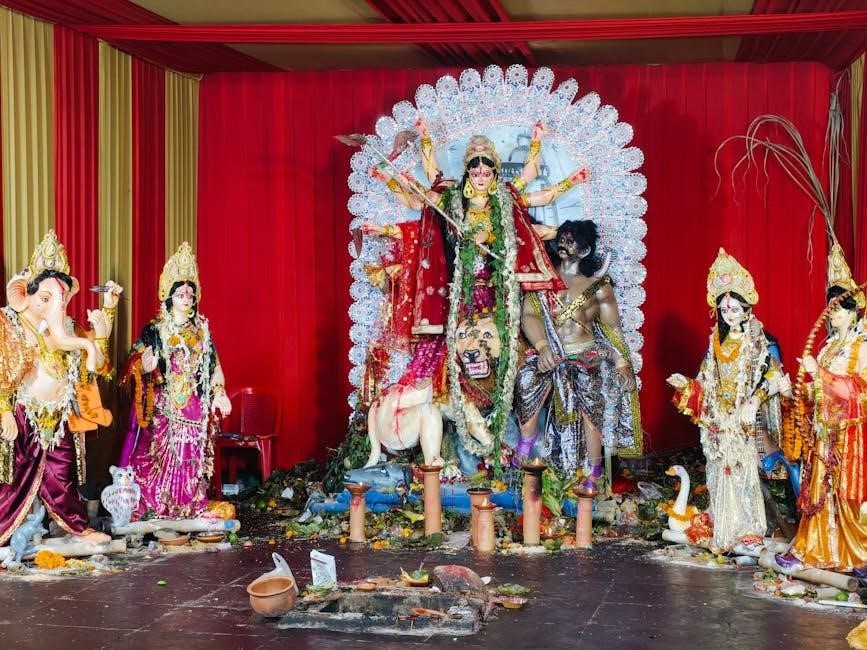
To download the Lakshmi Ashtothram in Telugu PDF, visit reputable websites like Vaidika Vignanam or Stotranidhi. Navigate to the section for devotional texts and search for “Lakshmi Ashtothram.” Select the PDF link, which will direct you to the download page. Click the “Download” button to save the file. Ensure the PDF is in Telugu script for clarity. No registration is required on most platforms, making the process quick and seamless. Once downloaded, you can access the hymn for chanting and spiritual practices. These websites are trusted sources, ensuring the text is accurate and easily readable.
Free Resources and Availability
Lakshmi Ashtothram in Telugu PDF is widely available for free download on various spiritual and devotional websites. Platforms like Stotranidhi and Vaidika Vignanam offer easy access to the PDF without registration. These resources are designed to cater to devotees seeking authentic and accurate versions of the hymn. The PDFs are typically in clear Telugu script, ensuring readability for all users. Many websites also provide additional features, such as lyrics with meanings or audio versions, to enhance the spiritual experience. With just a few clicks, users can download and save the PDF for personal use, making it a convenient option for daily chanting and worship. This accessibility ensures that the divine blessings of Goddess Lakshmi are within reach for everyone.
How to Use the Lakshmi Ashtothram PDF
Download the Lakshmi Ashtothram PDF in Telugu, read the 108 names of Goddess Lakshmi, and chant them during puja for spiritual growth, prosperity, and divine blessings.
Reading and Chanting Guidelines
For effective chanting of Lakshmi Ashtothram, ensure a clean and peaceful environment. Begin by understanding the meaning of each name to deepen devotion. Chant during auspicious times like early morning or evening. Recite the hymn 3 times daily for maximum benefits. Use a rudraksha mala to count repetitions, maintaining focus and concentration. Offer prayers with sincerity and devotion to Goddess Lakshmi. The Telugu PDF serves as a convenient guide for accurate pronunciation and rhythm. Regular chanting fosters spiritual growth, prosperity, and inner peace. Adhere to these guidelines to experience the divine grace of Goddess Lakshmi in your life.
Best Time for Chanting
The ideal time for chanting Lakshmi Ashtothram is during the early morning hours, known as Brahma Muhurta, or in the evening around sunset. These periods are considered auspicious for spiritual practices. Fridays are particularly significant for worshiping Goddess Lakshmi, as they are dedicated to her. Ensure the environment is clean and peaceful, and face East or North while chanting. Avoid chanting during eclipses or inauspicious periods. Chanting during festivals like Diwali or Navaratri amplifies the benefits. Consistency is key; recite the hymn daily for optimal results. By following these guidelines, devotees can maximize the spiritual and material benefits of Lakshmi Ashtothram.
Rituals and Preparations
Before chanting Lakshmi Ashtothram, prepare a clean and sacred space. Bathe and wear pure, traditional attire. Set up an altar with a photo or idol of Goddess Lakshmi, adorned with flowers, fruits, and a lit lamp. Offer turmeric, vermilion, and sweets to the deity. Light incense to create a serene atmosphere. Sit comfortably with your back straight, facing East or North. Maintain a focused mind and chant with devotion. Avoid distractions and ensure the environment is peaceful. For optimal results, chant daily, ideally after morning or evening prayers. These rituals enhance the spiritual connection and amplify the blessings of Goddess Lakshmi.
Cultural and Religious Significance
Lakshmi Ashtothram holds deep cultural and religious significance, especially in Telugu-speaking communities. It is a revered prayer in Hindu worship, often chanted during festivals like Diwali and Navaratri to invoke Goddess Lakshmi’s blessings for prosperity and peace.
Role in Hindu Worship
Lakshmi Ashtothram plays a vital role in Hindu worship, particularly in rituals and pujas dedicated to Goddess Lakshmi. It is often chanted during ceremonies like Diwali, Navaratri, and other auspicious occasions to invoke her blessings. Devotees believe that reciting the 108 names of Lakshmi helps in attaining spiritual growth, material prosperity, and inner peace. The hymn is considered a powerful tool for worship, fostering a deep connection with the divine. Many households include it in their daily or weekly rituals, chanting it with devotion to seek Goddess Lakshmi’s grace. Its rhythmic recitation is believed to create a sacred ambiance, purifying the mind and surroundings. This practice is deeply rooted in Hindu tradition, emphasizing the significance of devotion and surrender to the divine feminine energy embodied by Lakshmi.
Connection to Festivals and Celebrations
Lakshmi Ashtothram holds a profound connection to Hindu festivals, particularly those celebrating prosperity and divine grace. It is prominently chanted during Diwali, the festival of lights, to honor Goddess Lakshmi, who is believed to bestow wealth and good fortune. Additionally, it is an integral part of Navaratri celebrations, where devotees worship the nine forms of the goddess. During these auspicious occasions, families and communities gather to recite the 108 names, creating a sacred and joyful atmosphere. The hymn is also recited during weddings and other ceremonies to invoke blessings for a prosperous life. Its melodious chanting enhances the festive spirit, fostering a sense of harmony and devotion. The Telugu PDF version of Lakshmi Ashtothram is widely used during these celebrations, making it a cherished part of cultural and religious traditions.
Importance in Telugu-Speaking Communities
Lakshmi Ashtothram holds immense cultural and spiritual significance in Telugu-speaking communities, where it is deeply rooted in tradition and daily worship. The Telugu PDF version of the hymn is widely revered and easily accessible, making it a staple in households and temples. Devotees chant the 108 names of Goddess Lakshmi during pujas, festivals, and personal meditation, seeking her blessings for prosperity and peace. Its rhythmic recitation in Telugu enhances the spiritual experience, connecting devotees to their heritage. The hymn is also integral to community gatherings, fostering a sense of unity and shared faith. In Telugu-speaking regions, Lakshmi Ashtothram is not just a prayer but a way of life, reflecting the community’s deep devotion to Goddess Lakshmi and their rich cultural identity.
Goddess Lakshmi and Her Forms
Goddess Lakshmi, the embodiment of wealth and prosperity, is worshipped in her divine forms, including the Ashta Lakshmi. Her 108 names in Lakshmi Ashtothram highlight her divine attributes.
Ashta Lakshmi – Eight Forms of Wealth
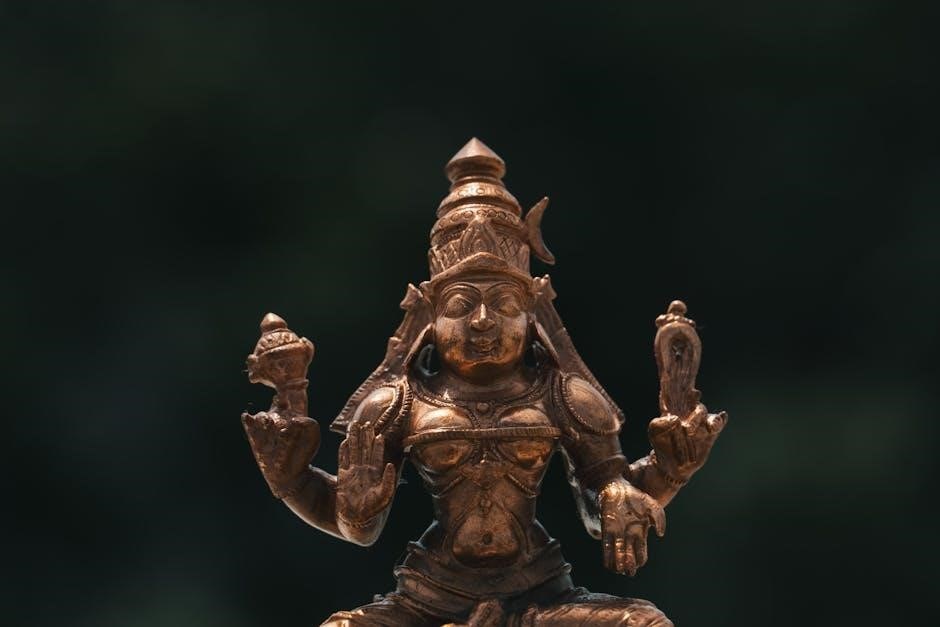
Ashta Lakshmi represents the eight divine forms of Goddess Lakshmi, embodying different aspects of wealth and prosperity. These forms include Adi Lakshmi (primordial wealth), Dhanya Lakshmi (agricultural wealth), Dhairya Lakshmi (courage and patience), Gaja Lakshmi (prosperity with elephants), Santana Lakshmi (children and family), Vijaya Lakshmi (victory and success), Veera Lakshmi (valor and strength), and Mahalakshmi (great wealth and power). Each form symbolizes a unique facet of wealth, from material abundance to inner strength and spiritual growth. These eight forms are deeply revered in Hindu worship and are often invoked through chants like the Lakshmi Ashtothram to seek blessings and prosperity in various aspects of life. The Telugu PDF versions of these chants are widely used for devotional practices.
Lakshmi’s Role in Hindu Mythology
Goddess Lakshmi is revered as the embodiment of wealth, prosperity, and divine grace in Hindu mythology. She is the consort of Lord Vishnu, symbolizing the balance between his divine power and her material abundance. Lakshmi is often depicted emerging from the cosmic ocean during the Samudra Manthan, holding a lotus, which signifies purity and spiritual growth. Her role extends beyond material wealth; she is also a symbol of good fortune, wisdom, and inner peace. Lakshmi’s various avatars, such as Sita, Rukmini, and Padma, highlight her divine presence in different epochs. Her worship is deeply rooted in Hindu traditions, and chants like the Lakshmi Ashtothram in Telugu PDF are integral to invoking her blessings for a harmonious and prosperous life.
Worship Methods and Devotion
Worshiping Goddess Lakshmi involves various devotional practices, with chanting the Lakshmi Ashtothram being a prominent ritual. Devotees often perform puja with flowers, incense, and offerings, seeking her blessings for prosperity and harmony. The Telugu PDF version of the Ashtothram is widely used for its accessibility and clarity, allowing devotees to chant the 108 names with ease. Regular recitation is believed to attract positive energy and wealth. Additionally, observing fasts, offering prasad, and performing aarti are common practices to express devotion. The hymn’s rhythmic chanting is said to create a spiritual connection, fostering inner peace and divine grace. This sacred ritual is a testament to the enduring reverence for Goddess Lakshmi in Hindu tradition.

FAQs About Lakshmi Ashtothram
- What is Lakshmi Ashtothram? It is a devotional hymn with 108 names of Goddess Lakshmi.
- How to chant it? Recite it with devotion, ideally during puja or peaceful times.
- Where to download the Telugu PDF? Available on spiritual websites like Vaidika Vignanam and Stotranidhi.
- What are its benefits? Promotes wealth, peace, and spiritual growth.
Common Questions and Answers
- What is Lakshmi Ashtothram? It is a devotional prayer consisting of 108 names of Goddess Lakshmi, symbolizing her divine attributes and blessings.
- Where can I find the Telugu PDF? It is available on spiritual websites like Vaidika Vignanam, Stotranidhi, and other devotional platforms for free download.
- What are the benefits of chanting? Chanting Lakshmi Ashtothram is believed to bring wealth, prosperity, and inner peace, while strengthening spiritual connection.
- Can I chant it at home? Yes, it can be chanted at home during puja or any peaceful time, ideally with devotion and focus.
- Is it suitable for all occasions? It is often chanted during festivals like Diwali and Navaratri, but can also be recited daily for blessings.
Misconceptions and Clarifications
Some believe that Lakshmi Ashtothram only grants material wealth, but it also fosters spiritual growth and inner peace. It is not limited to festivals like Diwali but can be chanted daily for blessings. While the Telugu PDF is easily accessible, its effectiveness depends on sincere devotion and proper chanting techniques. Misconceptions about needing elaborate rituals are unfounded; simplicity and focus are key. The prayer is not exclusive to any community but is universally revered. Clarifying these myths highlights its true purpose: a heartfelt connection with Goddess Lakshmi for holistic well-being.
Tips for Effective Chanting
Tips for Effective Chanting
For effective chanting of Lakshmi Ashtothram, choose a calm and clean environment. Begin with a pure heart and focus on the meaning of each name. Chanting during early morning or Friday is considered auspicious. Maintain concentration and avoid distractions. Use the Telugu PDF for accurate lyrics and pronunciation. Practice regularly for consistency and devotion. Offer prayers with sincerity, as Goddess Lakshmi blesses those with true faith. Keep the space clean and lit with a lamp or incense for a sacred ambiance. Chanting with family strengthens unity and amplifies blessings. Remember, devotion and intent are more important than perfection in pronunciation. Regular practice fosters spiritual growth and prosperity.